We would like to use Google Analytics cookies to count visits and see how people use this site. Nothing is sent to Google unless you accept.
The farm
Vet students and volunteers
Portnellan Farm at Gartocharn on Loch Lomond is a teaching farm for the University of Glasgow Veterinary School. This page is for vet students and volunteers who want to learn on an organic farm. We have been hosting vet students for over 25 years. We have hosted volunteers through World Wide Opportunities on Organic Farms (WWOOF) since 2013. Accommodation and food are provided. No payments are made.
Vet students
There are no more dates available in 2026. There are limited opportunities in 2027 around the time of calving and insemination.
Extra Mural Studies (EMS) placements are an important part of a vet student's clinical education. We prefer students to come for two weeks, but one week stays are also possible.
You will learn about organic farming principles, animal husbandry and animal handling. You will learn how to handle cows and calves. You will also come to understand farm economics and farm diversification better. David and Chris are the farmers. Two vets, Freda and Arwyn, live on the farm and can give extensive help and advice.
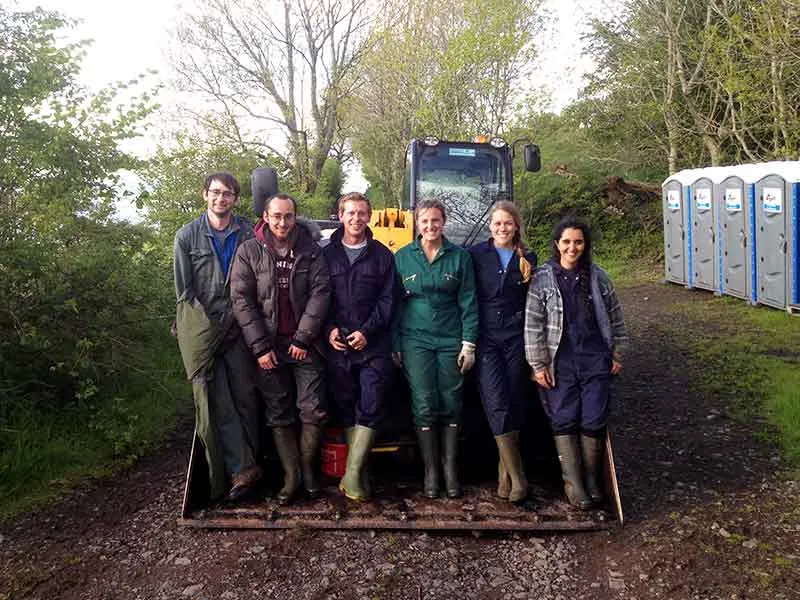
What you will do through the year
- Winter. The cows and calves are housed in a cubicle house and fed silage in the building next door. There are a couple of hours of routine work each morning, feeding the cows and keeping their beds and passageways clean. You should spend plenty of time simply observing the cows.
- Calving. We calve the cows outside if the weather is right. Calving starts in mid-April and runs for about 12 weeks. You should see lots of normal calvings and, very occasionally, an assisted calving. Expect some late nights.
- Insemination. We do not have a bull on Portnellan, so spotting cows coming into season is a critical skill. The insemination period starts on 1 July and lasts about 3 months.
- Spring, summer and autumn. When the cows are out at grass there is less to do each day. We check them every day and move them from paddock to paddock.
You will have plenty of chances to join in the work on the farm. Depending on the time of year, that includes cattle handling, foot trimming, castrations, disbudding, calvings and routine veterinary visits. There may be fencing, hedging or road building too. Every two weeks, students from Glasgow University Veterinary School come out with their tutors. You are welcome to join the vet school visit.
You will be sent a risk assessment before you come. Please read it carefully, because it sets out the hazards you might find on a farm. Tell us on arrival if you need time to study for exams. We will encourage you to take plenty of time for bookwork.
Applying for a vet placement
You should be an enthusiastic, communicative person. If you have no interest in farming, or in a career in mixed or farm animal practice, this placement is not for you. We give a lot of time and energy to our students. We expect the same back. On arrival, tell us what you want to achieve. Discuss the feedback you need to submit to your EMS department early, so that it is ready to sign well before you leave.
Address your email to the farmer, not just "Hi". Give us as much information as you can in your first message so that we can reply quickly. Please include:
- a short introduction, with where you are at vet school and what year you are in
- why you decided to go to vet school and what sort of vet you want to be
- whether you have had any on-farm experience with cows before
- whether you applied to us because we are organic
- most importantly, the dates you have available
We have about 40 breeding cows. The number of cattle on the farm varies between 80 and 120, depending on the season.
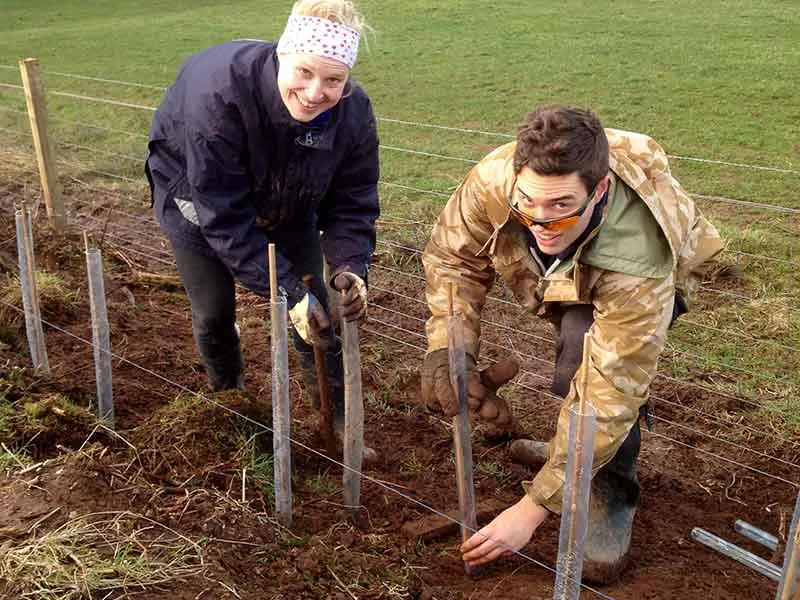
Volunteers (WWOOFers)
WWOOF is a world-wide movement that connects visitors, the WWOOFers, with hosts. Most hosts are organic farmers and smallholders. The volunteer receives free board and lodging in return for working on the farm. No money changes hands.
WWOOF started in 1971 as Working Weekends On Organic Farms, when Sue Coppard organised a trial weekend for herself and three other Londoners on an organic farm in East Sussex. Portnellan became a host in February 2013. Since then we have hosted well over 100 WWOOFers. Most have become great friends and some have returned to see us again.
What WWOOFers do
WWOOFers stay with the family and learn about welfare-friendly organic beef production in a stunning Scottish setting. Portnellan is a commercial farm, albeit a small one, so be prepared to work with cattle. The tasks are varied and no two days are the same unless there is a big project going on.
Depending on the time of year, you can join in the cattle work described for vet students. There may also be fencing projects, clearing ditches, hedging or road building. You may help maintain the moorings and with changeovers in The Old Farmhouse. Chris often values help with his water sports. You may be asked to help host visitors who are here for a farm tour. You will not be expected to drive machinery.
We are part of WWOOF UK. If you wish to volunteer with us, first join the UK WWOOF community and then choose your hosts. You then arrange a time to join the farm through the WWOOF communication channels.
Get in touch
If you are interested, please contact David Scott-Park at Portnellan Farm. Email info@portnellanfarm.co.uk.